
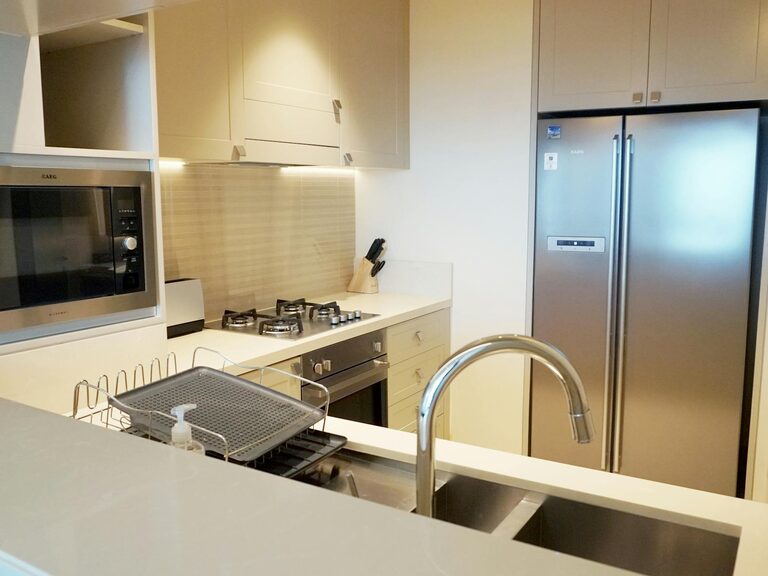
Keeping a tidy fridge and pantry is essential for maintaining a clean kitchen, saving money, and enjoying stress-free meal preparation. An organized space allows you to find ingredients quickly, know what you have, and avoid buying duplicates. If you’ve ever faced a cluttered fridge with expired food or a messy pantry where things are hard to find, this guide will help you take control with practical and easy-to-follow tips.
Why Organizing Your Fridge and Pantry Matters
A well-organized fridge and pantry:
– Reduces food waste by helping you use items before they expire
– Saves time during cooking and grocery shopping
– Maintains food safety by storing items correctly
– Creates a welcoming and clean kitchen space
Now, let’s dive into the steps to create and maintain order in these essential kitchen areas.
Step 1: Declutter and Clean
Before organizing, start by emptying your fridge and pantry completely.
How to Declutter:
– Check expiration dates and toss anything spoiled or stale.
– Donate unopened items you won’t use to a local food bank.
– Wipe down shelves, drawers, and doors with a mild cleaning solution.
– Dry surfaces thoroughly before putting items back.
Regular cleaning prevents unpleasant smells and keeps your fridge and pantry hygienic.
Step 2: Group Similar Items Together
Organizing by category helps you see what you have at a glance.
Fridge Zones:
– Top shelves: Ready-to-eat foods like leftovers, drinks, and dairy.
– Middle shelves: Eggs, packaged foods, and deli meats.
– Bottom shelves: Raw meat or seafood stored in a leak-proof container.
– Door compartments: Condiments, juice, butter (avoid eggs or milk here as temperature fluctuates).
Pantry Sections:
– Grains and pasta
– Canned goods
– Baking supplies
– Snacks
– Spices and herbs
– Oils and vinegars
Labeling containers or shelves also helps keep everything in its place.
Step 3: Use Clear, Airtight Containers
Clear containers let you see contents instantly, making it easier to track your food inventory.
Benefits:
– Keeps food fresh longer
– Prevents pests
– Maximizes space by stacking uniformly
– Avoids spills and messes
Glass or high-quality plastic containers with airtight lids work best. For smaller items like nuts or spices, consider jars or resealable bags.
Step 4: Keep a Food Inventory or List
Maintaining a simple inventory or list of what’s in your fridge and pantry can minimize overbuying.
How to Manage It:
– Use a dry-erase board on the fridge door.
– Keep a notepad inside the pantry.
– Use smartphone apps designed for grocery tracking.
Update the list when you add or use items to stay informed and plan meals accordingly.
Step 5: Practice First-In, First-Out (FIFO)
To reduce food spoilage, place newer items behind older ones and use older products first.
Tips:
– Rotate stock every week.
– After grocery shopping, check if new items should be placed behind older equivalents.
– This method works well for both the fridge and pantry.
Step 6: Optimize Space with Organization Tools
Investing in organizational accessories can make a big difference.
Useful Tools Include:
– Adjustable shelves or stackable bins
– Lazy Susans for easy access to jars and condiments
– Drawer dividers for smaller items like cheese or wraps
– Pantry door racks or hanging organizers
These tools help maximize storage and simplify maintaining order.
Step 7: Maintain Your Organization Routine
The key to staying organized is to develop simple habits.
Daily:
– Wipe up spills immediately
– Put groceries away promptly
– Check expiration dates on items you use regularly
Weekly:
– Do a quick scan for anything expired or unused
– Make a meal plan to use up perishable items
Monthly:
– Deep clean your fridge and pantry
– Reassess storage solutions for improvements
Consistency will keep your kitchen organized without overwhelming effort.
—
Bonus Tips for a Fresh Fridge and Pantry
– Use baking soda boxes to absorb odors in the fridge.
– Store herbs and leafy greens in damp paper towels inside a sealed container for freshness.
– Freeze leftovers promptly to extend shelf life.
– Label homemade food containers with dates.
—
Conclusion
Keeping a tidy fridge and pantry doesn’t have to be a chore. With a little planning and regular upkeep, your kitchen can stay organized, efficient, and inviting. Start small by decluttering and grouping items, then add layers like containers and tools to maintain order. You’ll save time, money, and enjoy cooking even more.
Happy organizing!