
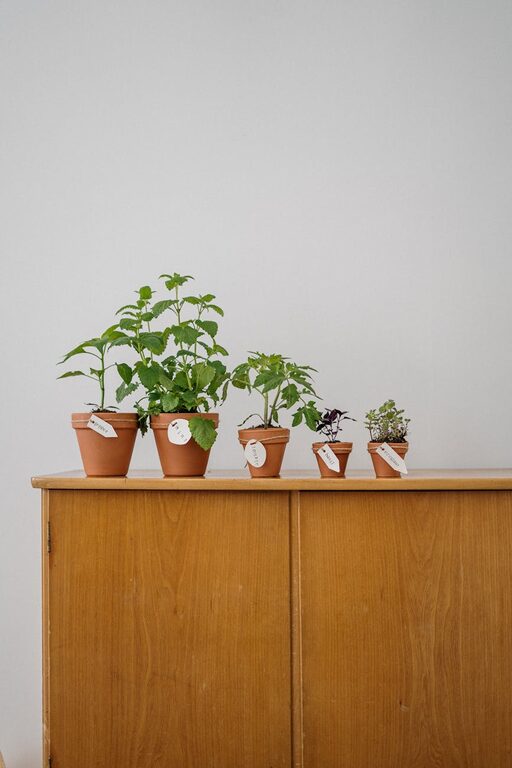
Growing a small herb garden indoors is a rewarding way to enjoy fresh, aromatic herbs year-round. Whether you have a cozy apartment or a spacious home, you can create a thriving herb garden on a windowsill, countertop, or shelf. This guide will help you get started with simple steps, tips, and advice so you can enjoy fresh herbs for cooking, teas, and more.
Why Grow Herbs Indoors?
Indoor herb gardens offer several benefits:
– Convenience: Fresh herbs are right at your fingertips for cooking.
– Cost-Effective: Save money by growing your own rather than buying store-bought herbs.
– Improved Air Quality: Plants naturally improve indoor air.
– Enjoyable Hobby: Gardening indoors can be relaxing and beautifies your home.
Choosing the Right Herbs
When starting an indoor herb garden, select herbs that thrive indoors and fit your cooking preferences. Some popular and easy-to-grow options include:
– Basil
– Mint
– Parsley
– Thyme
– Chives
– Cilantro
– Oregano
– Rosemary
Consider herbs that you frequently use in cooking, and remember that some like mint can be invasive, so planting it in a separate pot is best.
Supplies Needed
Before planting, gather the following items:
– Containers: Small pots with drainage holes or a grouped herb planter.
– Potting Mix: High-quality, well-draining potting soil suitable for herbs.
– Seeds or Starter Plants: Decide whether to grow from seeds or buy young plants.
– Watering Can: For gentle watering.
– Light Source: A sunny window, grow lights, or fluorescent bulbs.
– Labels: To keep track of different herbs.
Finding the Right Spot
Light is crucial for healthy herb growth. Most herbs require at least 6 hours of bright, indirect sunlight:
– A south-facing window is ideal.
– East or west-facing windows can work too, with a bit less light.
– If natural light is limited, consider using grow lights for 8-12 hours a day.
Avoid placing herbs near drafts, heaters, or air conditioners, which can stress plants.
Planting Your Herb Garden
From Seeds
- Fill pots with potting mix, leaving about half an inch from the top.
- Sprinkle seeds evenly according to packet instructions (generally a few seeds per pot).
- Cover seeds lightly with soil.
- Water gently to moisten the soil.
- Place pots in the chosen light spot.
- Keep soil moist but not soggy until seeds germinate.
- Remove starter plants from their nursery pots carefully.
- Loosen roots if they appear tightly circling.
- Plant in your containers at the same depth they were growing.
- Water well after planting.
- Place in a sunny spot.
From Starter Plants
Caring for Your Indoor Herb Garden
Watering
– Check soil moisture regularly.
– Water when the top inch of soil feels dry.
– Avoid overwatering, which can lead to root rot.
– Use pots with drainage holes to prevent waterlogging.
Feeding
– Use a balanced, water-soluble fertilizer every 4-6 weeks.
– Follow package instructions to avoid over-fertilizing.
Pruning and Harvesting
– Regularly pinch or trim herbs to encourage bushier growth.
– Harvest leaves by cutting just above a leaf node.
– Avoid removing more than one-third of the plant at once.
– Frequent harvesting keeps herbs healthy and productive.
Pest Management
– Indoor herbs typically face fewer pests, but watch for aphids or spider mites.
– Remove pests by hand or wipe leaves with a damp cloth.
– Use natural remedies like neem oil if infestations occur.
Common Challenges and Solutions
| Challenge | Solution |
|———————|———————————————|
| Yellowing leaves | Overwatering or poor drainage; reduce watering and check pots. |
| Leggy plants | Insufficient light; move herbs to brighter location or add grow light. |
| Slow growth | Nutrient deficiency; apply a balanced fertilizer. |
| Mold or fungus | High humidity or poor air circulation; improve ventilation and avoid overwatering. |
Tips for Success
– Rotate pots weekly to ensure even light exposure.
– Use separate pots for herbs with different watering needs.
– Keep a spray bottle handy to mist herbs that like humidity, such as basil.
– Experiment with different herbs to discover your favorites.
Conclusion
Starting a small herb garden indoors is an enjoyable and practical way to bring fresh flavors to your kitchen. With the right supplies, proper light, and regular care, you’ll reap delicious rewards while brightening your living space. Give it a try—you might find growing herbs is one of the most satisfying gardening experiences.
Happy gardening!